Designing a Student Wellness Screening Service (SWSS)
PROJECT TYPE | Group Work
TIMELINE | January – May 2023
ROLE | UX/UI Designer
TEAM | Pezhman Raeisian Parvari, and four other classmates.
TOOLS | Figma; Google Forms
OVERVIEW
In this group project, the goal was to design a mobile application to enhance student mental health support services. The focus was on creating an interactive and personalized Student Wellness Screening Service (SWSS) that allows students to assess conditions like depression and anxiety, providing a private and user-friendly interface. Peer healthcare professionals offer support and guidance on connecting with the university’s mental health services.
EVENT PARTICIPATION
Attending Quest 2023 at the State University of Oswego in New York with a poster presentation.
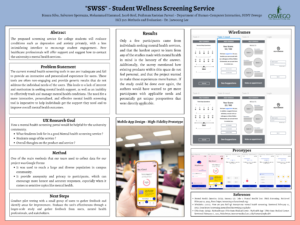
QUEST 2023 POSTER
PROBLEM STATEMENT
This project is a response to the inadequate mental health support tools available to college students, which often lack interactivity and personalization. Recognizing the shortcomings of traditional mental health screening methods, we aimed to create a more engaging and individualized experience for students.
By leveraging the principles of user engagement and personalization, our design addresses the challenge of motivating students to seek mental health support and manage their conditions. We began by researching how students interact with existing mental health tools and identifying gaps in personalization and user engagement. Our main goal was to develop an immersive and user-friendly app that provides personalized mental health assessments and connects students with appropriate support services, fostering a more proactive approach to mental health on campus.
SOLUTION
SWSS is a revolutionary Student Wellness Screening Service designed to provide a private and user-friendly interface. The app aims to enhance student engagement by offering personalized assessments for conditions such as depression and anxiety. By incorporating interactive features and tailored feedback, SWSS encourages students to seek support actively.
Peer healthcare professionals are integrated into the service to offer real-time support and guide users on connecting with the university’s mental health resources. The solution emphasizes privacy, ease of use, and personalization to address the specific needs of college students, making mental health support more accessible and effective.
ETHICAL AWARENESS INTEGRATION
Recognizing the ethical implications of impersonal and generic mental health screening tools, our project, SWSS, was driven by a commitment to address the unique needs of individuals. We prioritized user engagement and personalization to enhance the ethical dimension of mental health support services.
Our ethical framework included a commitment to transparency, informed consent, and the protection of user privacy. We ensured that all data collected was anonymized and securely stored. By involving stakeholders and mental health professionals throughout the development process, we aimed to maintain high ethical standards and continuously reflect on the potential impact of our tool on users’ well-being.
UX RESEARCH GOAL
Understand the benefits of a mental health screening portal for the university community by exploring student expectations, usage patterns, and overall satisfaction with the SWSS service. This research aims to gather insights on how effectively the app meets student needs and identifies areas for improvement to enhance user experience and engagement.
METHODS
To achieve our UX research goals, we utilized a combination of qualitative and quantitative methods:
Surveys: We deployed Google Forms to collect data from a broad and diverse sample of the campus community. The surveys included questions about mental health needs, current tool usage, and feedback on the SWSS interface. Anonymity was ensured to foster honest responses on sensitive topics.
Interviews: Conducted one-on-one interviews with students to gather in-depth insights into their experiences and expectations regarding mental health support services. These interviews helped us understand the nuances of student needs and preferences.
Usability Testing: Performed usability tests with a small user group to observe how students interact with the SWSS app. This helped identify pain points and areas for improvement in the user interface and overall user experience.
Focus Groups: Organized focus group discussions with students, peer healthcare professionals, and university stakeholders to obtain diverse perspectives on the app’s design and functionality. These discussions provided valuable feedback for refining the app.
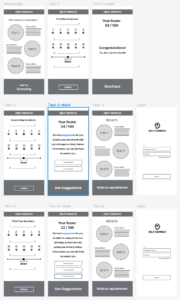
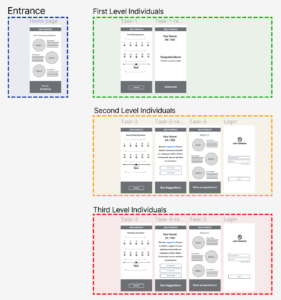
Mobile App Design – Wireframes
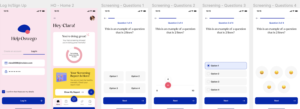
Mobile App Design – High-Fidelity Prototype
THINGS I LEARNED
Importance of Personalization:
Through the development of SWSS, I learned the critical role personalization plays in user engagement, especially in mental health support services. Tailoring the user experience to individual needs significantly enhances motivation and satisfaction.
Ethical Design Practices:
Ensuring user privacy and ethical data management are paramount in designing mental health applications. I gained a deeper understanding of integrating ethical considerations into the design process, including transparency, informed consent, and continuous reflection on the tool’s impact.
User-Centered Design:
Conducting usability tests and gathering direct feedback from students highlighted the importance of a user-centered approach. I learned how iterative testing and incorporating user feedback can lead to significant improvements in the app’s usability and effectiveness.
Collaboration and Stakeholder Involvement:
Engaging with mental health professionals, peer healthcare providers, and university stakeholders provided valuable insights and helped create a more robust and supportive service. This experience underscored the value of multidisciplinary collaboration in project development.
Utilizing Research Tools:
Using Google Forms for data collection and Figma for design prototyping taught me how to effectively leverage these tools for UX research and design. The ability to gather and analyze data efficiently and create high-fidelity prototypes was instrumental in the project’s success.
REFERENCES
Mental Health America – Take a Mental Health Test: https://screening.mhanational.org/screening-tools
Mindwise – How are you feeling? Anonymous mental health screening: https://www.mindwise.org/mental-health-screening/
Ohio State – MyHealth app: Ohio State Medical Center: https://wexnermedical.osu.edu/telehealth/myhealth-app